
Monthly Archives: August 2026
-
- August 19, 2026
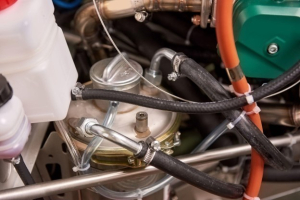
When oil pressure feels inconsistent, leaks keep returning, or a replacement part doesn't route cleanly, engine oil tubes can reveal fitment issues before lubrication problems become costly engine wear.
You can't afford guesswork on a part responsible for moving oil throughout the engine. A wrong diameter, improper routing, flare mismatch, corrosion, excessive heat exposure, or recurring seepage can quickly turn a simple replacement into oil pressure problems, lubrication concerns, and unexpected downtime.
Fitment issues often reveal themselves through tube diameter, routing, fittings, mounting brackets, sealing surfaces, material strength, and overall application compatibility long before complete failure occurs.
Fitment Problems Can Show Up Before Failure
An oil tube doesn't need to crack, split, or appear damaged before it starts causing problems. A replacement tube may look correct while still being poorly matched to the engine layout if it only "almost" fits the application.
Watch
-
- August 03, 2026
When heat, pressure, vibration, and tight routing meet at bends or connection points, stainless steel elbows and properly matched fittings can help reduce weak spots before cooling trouble turns into downtime.
A small leak can quickly become a major problem when you're dealing with overheated engines, corroded hardware, pressure loss, roadside repairs, or trucks sitting idle instead of working. Replacing one visible part doesn't always solve the issue if the bend, fitting, or connection continues to experience the same stress.
That's why bends, elbows, fittings, material quality, connection strength, and proper fitment all deserve attention before the cooling system begins showing obvious signs of failure.
Bends Create Stress Before Parts Actually Fail
Bends and directional changes experience significant stress long before visible damage appears. Coolant routing, repeated heat cycles, engine vibration, and pressure changes can all concentrate force in one location, even when the component