
Cooling system fittings
-
- July 19, 2026
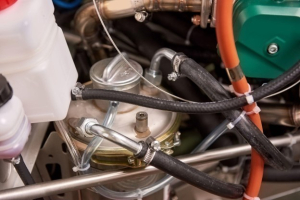
Cooling system fittings play a critical role in preventing engine overheating by maintaining secure coolant flow, minimizing leaks, and supporting consistent pressure throughout the cooling system.
Most drivers and equipment operators think about radiators, thermostats, or water pumps when discussing engine temperature issues. Yet many overheating problems can be traced back to something much smaller.
The connections that hold a cooling system together often determine how effectively coolant moves where it needs to go. When a fitting fails, loosens, or corrodes, the entire system can be affected.
Engine overheating isn't just inconvenient. It can lead to damaged components, unexpected downtime, and reduced equipment reliability.
Understanding how cooling systems function and why connection points matter can help operators make informed maintenance decisions.
Small components may not attract much attention during routine inspections, but they often have a significant impact on long-term
-
- June 07, 2026
Ever been stuck on a blazing highway watching your temperature gauge creep up while your engine starts to feel sluggish and strained?
Hot weather does more than make driving uncomfortable. It pushes your engine to operate under intense thermal pressure, especially in heavy-duty trucks and older systems. In this blog, we will break down how heat impacts engine performance and what you can do to keep your cooling system working reliably when it matters most.
Why Heat Pushes Engines to Their Limits
Rising Temperatures Inside and Out
When outside temperatures climb, your engine loses its ability to shed heat efficiently. Air entering the radiator is already warm, which reduces its cooling potential. At the same time, combustion inside the engine continues to generate extreme heat.
This creates a compounding effect where the cooling system has to work harder than usual just to maintain safe operating levels.
Increased Load on Critical Components
Heavy trucks often carry substantial loads, which
-
- April 19, 2026
Routine maintenance of cooling system parts helps prevent overheating, reduce engine strain, and support longer, more dependable service life.
A cooling issue can look minor at first, then turn into a much bigger repair fast. Rising temperatures, ignored leaks, worn connections, and delayed replacements can lead to downtime, repeat failures, and extra pressure on crews trying to keep trucks and equipment working through busy schedules.
Good maintenance isn’t only about hoses, fittings, and coolant flow. Supporting hardware like exhaust bracket clamps matters too, because loose or failing connections can add stress, vibration, and wear to nearby systems over time
Start With the Parts That Fail Quietly First
Most overheating problems don’t start with a dramatic breakdown. They start with small signs you can catch early if you inspect the wear points regularly, especially across Cooling System Parts that take constant heat and pressure.
✔ Check hoses and connections.
Look for soft spots, swelling,
-
- February 12, 2025The cooling system plays a vital role in maintaining your vehicle's engine. Without it, your engine would overheat and suffer irreparable damage. From maintaining the proper temperature to ensuring optimal performance, the cooling system ensures your vehicle runs smoothly. To keep your cooling system operating at its best, choosing high-quality cooling system fittings and hoses is essential. These components work together to ensure the coolant flows efficiently, minimizing the risk of failure and keeping your engine performing at its peak.
What Are Cooling System Fittings and Hoses?
Cooling system fittings are the small but essential connectors that join various parts of your vehicle's cooling system, such as the radiator, hoses, and pump. They create the secure connections needed for the seamless flow of coolant throughout the system, ensuring that the liquid circulates where it's needed most. These fittings come in various shapes and sizes, designed to fit the specific needs of your vehicle's