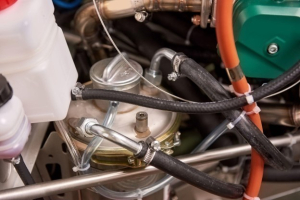

How Do Cooling System Hoses Prevent Engine Overheating?
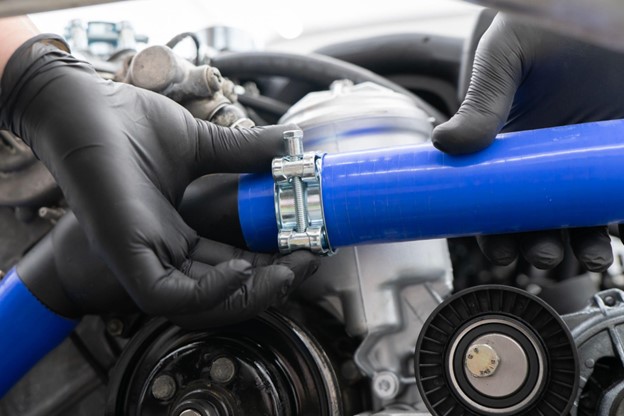
When cooling system hoses move coolant through the engine and radiator without interruption, they prevent heat from building up and keep the engine running at a safe temperature.
A dependable cooling system plays a crucial role in protecting heavy-duty engines. Proper hose performance is often overlooked, yet these parts do the nonstop work of moving coolant where it needs to go.
When hoses stay strong and intact, the engine stays cool. If they fail, temperatures climb fast.
In this blog, you'll learn how hoses manage heat, which hose qualities matter most, and why consistent coolant flow is essential for trucks on long routes.
The Role of Coolant Flow
Coolant must travel in a steady loop. It absorbs heat from the engine and carries that heat to the radiator. Cooling system hoses make this movement possible.
They form the path that keeps coolant circulating. When these hoses stay clear and strong, the coolant does not slow down.
Heat leaves the engine before it becomes a problem. This simple process protects the engine during heavy loads and long hauls.
Why Hose Strength Matters
Heat, vibration, and pressure stress hoses every day. Weak materials break down under these conditions. Cracks and soft spots interrupt coolant flow.
Strong hoses handle these stresses with ease. They hold their shape and keep a tight seal. This prevents leaks.
It also stops sudden temperature spikes. Reliable hoses give drivers confidence in high-mileage conditions.
Preventing Leaks and Pressure Drops
A leak may look small, but it causes fast overheating. Even a slight pressure drop reduces the movement of coolant. Cooling system hoses help prevent this by holding pressure inside the system.
Their structure keeps the coolant path closed and secure. When the system holds pressure, the coolant reaches every part of the engine. This steady pressure also helps the radiator do its job. As a result, temperatures stay stable.
Supporting the Radiator's Work
The radiator depends on a constant supply of coolant. It cannot pull heat out of the engine unless the coolant reaches it. Hoses move coolant to and from the radiator. If hoses collapse or clog, the radiator becomes useless.
Good hoses keep coolant moving at the right pace. They help the radiator release heat during stop-and-go traffic and steep climbs. This balance allows the entire system to work smoothly.
Handling Temperature Changes
Engines experience major temperature changes. Coolant gets hot during climbs. It cools down when the load lightens. Hoses must adapt to these changes.
Flexible hoses expand and contract without losing their grip. This flexibility prevents gaps and leaks. It also keeps coolant flowing during rapid temperature shifts.
Drivers deal with many environments on the road. Strong hoses help the truck adjust without overheating.
Protecting Older Engines
Older trucks rely even more on stable coolant flow. Original hoses lose strength over time. They may not be available for replacement. When hoses fail, heat rises fast.
Installing dependable hoses solves this issue. It gives older engines a better chance to stay cool. Many owners use upgraded parts to avoid unexpected breakdowns. Reliable hoses make a major difference in engine life.
An Extra Tip for Better Cooling Support
Drivers sometimes forget about the other lines that help control engine temperature. Heater supply lines also carry coolant through parts of the vehicle.
Keeping heater supply lines in good shape supports overall cooling performance. These lines work with the main hoses to keep temperatures more stable on long drives.
Final Thoughts
Cooling system hoses safeguard engines by keeping coolant moving, pressure steady, and heat under control. Their power, flexibility, and dependability make them indispensable for secure operation.
When hoses stay in optimum shape, the engine handles tough miles with ease. Keeping these parts in top shape is one of the simplest ways to prevent overheating and protect the truck on every route.
BH Tubes can help by providing strong, long-lasting stainless steel tubes that hold up under heat, pressure, and vibration.