
How Quality Hoses Clamps Support Long-Term Vehicle Performance

Quality hose clamps play a critical role in long-term vehicle performance by maintaining secure cooling system connections, reducing coolant leaks, and helping engines operate at safe temperatures over time.
Most drivers and fleet operators spend a lot of time thinking about major vehicle components. Engines, radiators, water pumps, and hoses often get plenty of attention during maintenance inspections.
Yet some of the smallest parts in a cooling system can have a surprisingly large impact on overall reliability.
Hose clamps may not seem like a critical component at first glance, but they are responsible for keeping important connections secure under demanding operating conditions. When these parts perform well, the cooling system can function as intended.
When they fail, the consequences can range from minor coolant loss to significant engine problems. Understanding their importance can help prevent avoidable breakdowns and support long-term vehicle health.
At the same time, many cooling system issues begin with small warning signs that are easy to overlook.
Understanding how clamps contribute to system performance helps vehicle owners make informed maintenance decisions.
The Role of Cooling Systems in Vehicle Health
A vehicle's cooling system is designed to regulate engine temperature and prevent overheating.
As coolant circulates through hoses, the radiator, and other components, it absorbs and releases heat generated during engine operation.
This process depends on a sealed system. Every connection point must remain secure to keep coolant flowing where it belongs. If coolant escapes through a loose or damaged connection, the entire system can become less effective.
Some common consequences of cooling system problems include:
- Increased engine temperatures
- Reduced vehicle performance
- Premature component wear
- Unexpected roadside breakdowns
- Potential engine damage
Because of this, every component within the system matters, including the clamps that hold hoses firmly in place.
Why Clamp Quality Matters
Hoses, Clamps, and Connection Security
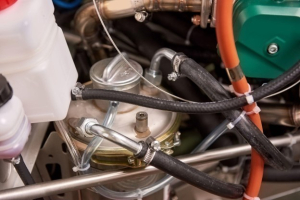
Not all clamps are created equal. High-quality hose clamps are designed to provide consistent pressure around the hose connection while withstanding vibration, temperature fluctuations, and daily wear.
Vehicles operate in challenging environments. Engines generate significant heat, and cooling system components repeatedly expand and contract during operation.
Over time, lower-quality clamps may lose tension, corrode, or become damaged.
The Importance of Cooling System Clamps
Reliable cooling system clamps are particularly important in commercial vehicles, heavy-duty equipment, and applications where engines operate for extended periods.
Small failures often begin with small components.
A weakened clamp may seem insignificant until it allows coolant to escape or causes a hose to shift unexpectedly.
Preventing those issues starts with selecting durable components designed for the application.
Reducing the Risk of Coolant Leaks
Coolant leaks are among the most common cooling system problems. While leaks can develop from damaged hoses or aging components, loose or deteriorated clamps are also a frequent contributor.
A properly installed clamp creates a tight seal between the hose and fitting. This seal helps prevent coolant from escaping, even when system pressure increases during operation.
Drivers may notice warning signs such as:
- Coolant spots beneath the vehicle
- White or colored residue near hose connections
- Frequent coolant top-offs
- Unusual engine temperature readings
Addressing these issues early can prevent more serious problems later.
Regular inspections of hose clamps can help identify wear before leaks become severe. In many cases, a simple replacement can restore system integrity and prevent larger repairs.
Maintenance and Replacement Best Practices
Like many vehicle components, clamps benefit from regular inspection and timely replacement.
Consider the following maintenance practices:
- Inspect clamps during routine cooling system service.
- Check for visible corrosion or rust.
- Look for coolant residue around hose connections.
- Verify that clamps remain properly positioned.
- Replace damaged or worn clamps promptly.
- Use clamps designed for the specific application.
Maintenance schedules vary based on vehicle usage, operating conditions, and manufacturer recommendations. However, proactive inspections can help identify problems before they result in downtime.
Many cooling system failures develop gradually. Catching small issues early often prevents larger disruptions later.
Choose Components Designed for Lasting Performance
Reliable vehicle performance often depends on components that receive very little attention. Hose clamps may be small, but they play a major role in maintaining cooling system integrity, reducing the risk of leaks, and supporting consistent engine operation.
By choosing quality components and following regular maintenance practices, vehicle owners and fleet operators can help protect their cooling systems and improve long-term reliability.
If you're looking for dependable cooling system solutions, the team at BH Tubes is committed to providing personalized support and helping customers find the right components for their specific applications.
Our experienced team works closely with clients to support long-term performance and dependable operation.