
How to Inspect and Maintain Cooling Hoses So They Don’t Fail You
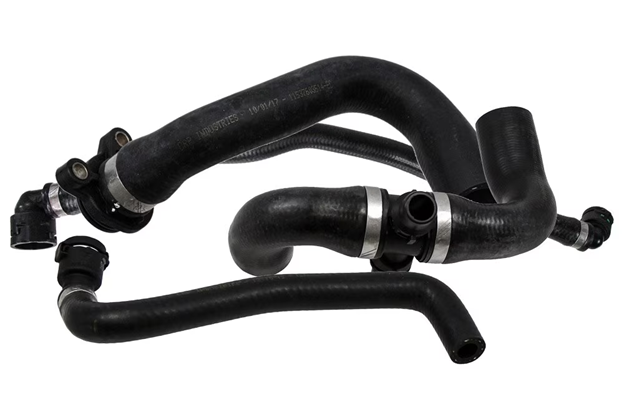
Machinery engines work hard, often under extreme temperatures and pressure. Cooling system hoses keep the engine safe and help it function efficiently. These rubber or silicone lines carry the coolant from the radiator to the engine and back, preventing overheating, power loss, and irreversible engine damage. But as with any hardworking component, these hoses don't last forever.
Let's walk through a few proven ways to extend the life of your cooling system hoses so you're not caught off guard by leaks, cracks, or costly downtime.
Start with Regular Inspections
Cooling system hoses don't suddenly fail—they wear down over time. That's why routine inspections are your first and strongest defense. Here's what to look for:
- Cracks or splits, especially around the ends and bends
- Soft spots that feel squishy or sponge-like under pressure
- Bulging or blistering, a sign of pressure imbalance
- Leaks or dried coolant residue around the hose connections
Always inspect hoses when the engine is cool. Gently squeeze each hose to feel for weak spots, focusing on areas near the radiator, thermostat, and water pump—these are hotspots for wear and tear. Even if everything looks fine, aging materials can be compromised internally. Generally, hoses over five years old or showing signs of decay should be replaced before failure occurs.
Get Clamp Pressure Right
No inspection is complete without checking hose clamps. Clamps keep the hose sealed to its connector so coolant doesn't escape under pressure. Loose clamps cause leaks, while overly tight clamps can damage hoses.
Tips for proper clamp tension:
- Use a torque wrench to follow manufacturer guidelines
- Check for even tension—no gaps or pinched rubber
- Never reuse worn or rusted clamps
Treating clamps as essential system components can extend the lifespan of your hoses by years.
Match Hoses to Pressure and Temperature Ratings
Not all cooling system hoses are the same. One common reason for premature failure is using the wrong hose for your setup. Before installing, ensure the hose:
- Is rated for the maximum temperature your system reaches (often over 200°F)
- Can handle the coolant pressure, especially in performance or industrial applications
- Is reinforced if required for high-load conditions
- Has a compatible internal diameter and wall thickness for your system
Using hoses outside their intended purpose can be risky. Always match components to your system's requirements to avoid dangerous breakdowns.
Corrosion-Resistant Clamps Matter
Coolant can be mildly corrosive over time, especially as additives break down or contaminate. Environmental moisture can also contribute. Corroded clamps cannot maintain consistent pressure, leading to leaks or hose damage.
To avoid corrosion problems:
- Choose stainless steel clamps that resist rust and corrosion
- Avoid mixing metals (e.g., aluminum fittings with zinc clamps)
- Inspect clamps regularly for pitting, rust, or discoloration
A corroded clamp may feel tight but can fail under stress. Replacing them early ensures hoses remain secure and reliable.
Prevention is Better Than Replacement
Cooling system hoses may not be the flashiest part under the hood, but they are among the most essential. Routine inspections, proper clamp pressure, system-matched materials, and corrosion prevention can dramatically extend hose life and maintain engine health.
Need help choosing the right components for your cooling system? BH Tubes carries high-quality cooling system hoses and hose clamps built for performance and reliability. Our team can help you find the perfect fit for your system.


