

Why Do Exhaust Hangers Fail On Heavy Trucks?
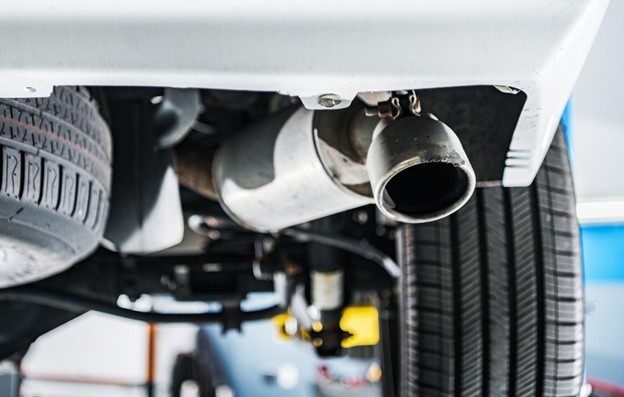
Ever notice that rattling under your truck getting louder with every mile and wonder why your exhaust hanger suddenly gave up right when you needed it most?
Exhaust systems on heavy trucks take a constant beating from heat, weight, and road conditions. When something as small as a hanger fails, it can lead to bigger issues fast. In this blog, we will break down the real reasons behind exhaust hanger failure and what you should watch for to avoid unexpected downtime.
Constant Vibration Wears Components Down
Heavy Loads Mean Constant Movement
Heavy trucks operate under intense conditions every day. The exhaust system is not static. It moves and flexes as the truck drives over uneven roads, accelerates, and brakes. Over time, this constant vibration weakens the exhaust hanger, leading to cracks or complete separation.
Rubber and Metal Fatigue
Most hangers rely on a combination of rubber and metal. Rubber can dry out and lose flexibility, while metal components can fatigue and weaken. Once either part starts to degrade, the hanger loses its ability to properly support the exhaust system.
Extreme Heat Takes Its Toll
High Temperatures From Exhaust Flow
The exhaust system handles extremely high temperatures every time the engine runs. This heat transfers directly to the hanger and surrounding components. Repeated heating and cooling cycles can cause materials to expand and contract, leading to early failure.
Heat Accelerates Material Breakdown
Heat does not just stress the hanger physically. It also speeds up the breakdown of rubber and coatings. Over time, this leads to brittleness and cracking, especially in lower-quality parts.
Road Conditions and Environmental Damage
Rough Roads and Impact Stress
Potholes, gravel, and uneven terrain all contribute to sudden shocks. Each impact puts stress on the exhaust system and its supports. Eventually, the hanger cannot handle the repeated strain and fails.
Corrosion from Moisture and Debris
Water, salt, and road debris can build up on the hanger. This leads to corrosion, especially in metal components. Once rust sets in, the hanger's structural integrity weakens significantly.
Improper Installation or Poor Fitment
Misalignment Creates Extra Stress
If the exhaust system is not aligned correctly, the hanger ends up carrying uneven weight. This puts constant pressure on one side, accelerating wear and tear.
Low-Quality Replacement Parts
Using substandard parts can shorten the lifespan of the entire system. A poorly made exhaust hanger may not withstand the weight or heat of a heavy truck, leading to premature failure.
Additional Strain from Connected Components
Interaction with Hoses Clamps
Nearby components, such as hoses clamps, can also influence hanger performance. If these parts are too tight or poorly positioned, they can restrict natural movement and transfer extra stress to the hanger.
Aging Exhaust Systems
Older exhaust systems often have multiple worn components. When one part weakens, it puts more strain on the rest. The hanger often becomes the first point of failure in these cases.
Keep Your Exhaust System Secure and Reliable
A failing exhaust hanger is often the result of vibration, heat, road conditions, and improper installation working together over time. Ignoring early signs, such as rattling or sagging, can lead to more serious issues down the road.
At BH Tubes, we understand how demanding heavy truck applications can be. Our stainless steel exhaust components are built to handle tough conditions and last longer than standard parts. If you are dealing with worn or hard-to-find components, our team is ready to help you find the right solution and keep your truck running strong.


