

Oil Sludge in Winter: How Pan Size Affects Engine Health
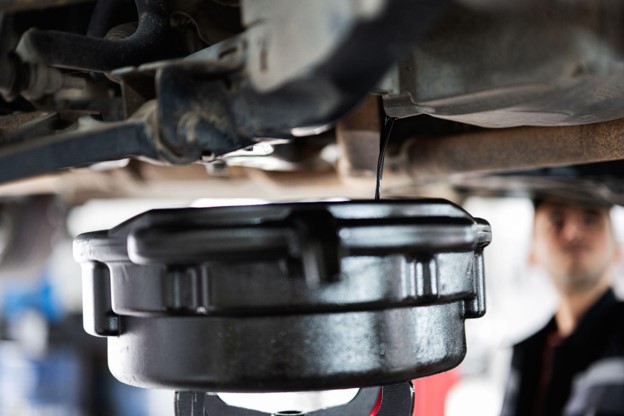
A winter cold start puts engines at higher risk because small oil pans hold less oil, which can't absorb contaminants as effectively, leading to sludge buildup faster and reduced lubrication protection when engines need it most.
That risk doesn’t depend solely on temperature. Oil circulation, total capacity, and pan design quietly determine how quickly contaminants accumulate and how well internal components are protected during cold operation.
Why Winter Accelerates Oil Sludge Formation
Cold weather doesn’t just make starting the car harder; it changes the way oil behaves inside the engine.
Lower temperatures cause oil to thicken, slowing circulation and delaying full lubrication during startups. Add in frequent short trips, and engines barely reach optimal temperature.
Moisture and combustion byproducts hang around longer, creating ideal sludge conditions. Since the engine runs under-lubricated and poorly flushed, deposits start forming much faster than in warmer months, especially if the oil isn’t changed as often as it should be.
This seasonal stress sets the stage for deeper issues in engines that rely on minimal oil volume or older designs. Let’s look at how pan size plays into this.
The Risk Profile of Small Oil Capacity Systems
When your engine runs with less oil, the margin for error shrinks. Small oil pans may be compact, but that comes at a cost during winter. The oil heats up and cools down faster, increasing thermal stress and oxidation.
There’s also less fluid volume to suspend contaminants before saturation occurs. That means sludge can form earlier and circulate longer.
Key concerns with small oil capacity systems include:
- Faster buildup of moisture and fuel dilution
- Lower heat absorption during extended idling or cold starts
- Greater risk of oil starvation under high-load or steep conditions
It’s not just a size issue. It’s a longevity and reliability issue, especially in winter.
How Increased Oil Volume Improves Cold Weather Protection
Engines with large oil pans benefit from greater resilience during winter. More oil means more thermal mass, which helps keep the oil from thickening too quickly or breaking down under cold pressure. It also allows contaminants to disperse more effectively, slowing sludge formation.
Why larger volume helps in cold weather:
- Heat stays more consistent between cycles
- Moisture and fuel dilution are better managed
- Oil stays cleaner longer between changes
This extra capacity acts like breathing room when conditions are rough.
Sludge, Starvation, and Long-Term Engine Wear
Sludge is not just messy; it’s damaging. Over time, it clogs the pickup screen, slows oil delivery, and starts choking your engine from the inside.
When flow is delayed, moving parts like bearings and camshafts lose protection right when they need it.
Small oil pans make that risk worse by leaving less room for safe buildup. Once saturation happens, every cold start becomes a gamble with your engine’s lifespan.
Design Advancements That Reduce Winter Oil Failures
Modern pan designs are smarter in how they handle cold weather. Large oil pans now include baffling, refined sump geometry, and improved pickup placement. All of these features work together to keep oil flowing evenly, even when temperatures drop.
Aftermarket options are also stepping up with capacity upgrades that do not interfere with vehicle clearance. These refinements give engines a better shot at staying protected through the winter season.
Avoid Sludge Season with Smarter Support
Preventing engine damage in winter starts with knowing what’s under your vehicle. If you're running with small oil pans, the margin for error is tighter—mainly when sludge builds silently in cold conditions.
With years of experience and a nationwide network, BH Tubes supports vehicle owners and service shops with expert guidance and access to hard-to-find components, including backorder solutions.
Call 1-866-210-5545 to speak with a specialist and get the right support before winter wear turns into a costly repair.


