Why Minor Under-Hood Truck Parts Deserve More Attention
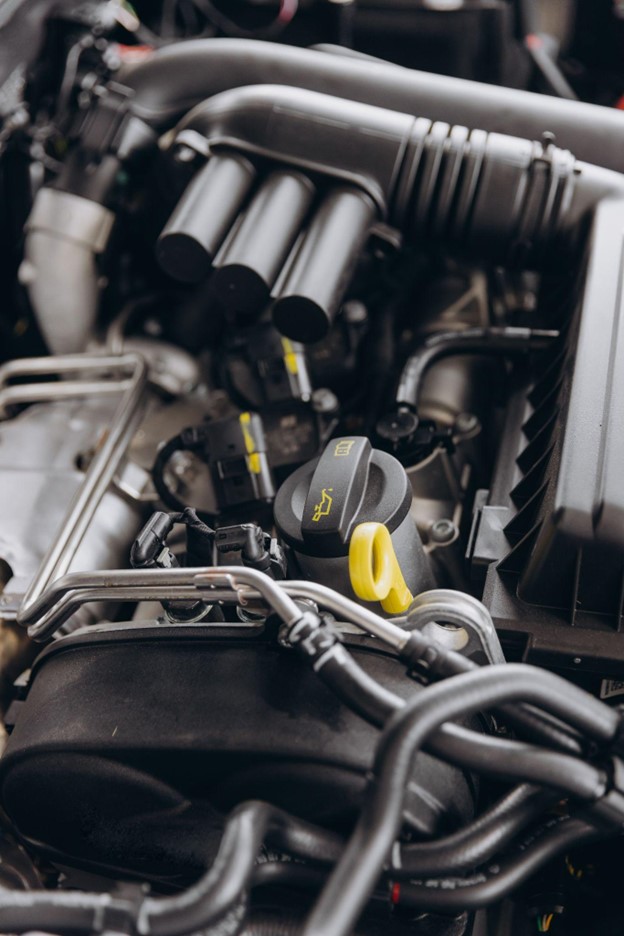
Minor under-hood parts deserve more attention because engine dipstick tubes and similar lines can trigger messy leaks, bad readings, and preventable downtime when they loosen, crack, or corrode.
In the shop, it’s rarely the big parts that ruin your day. It is the small stuff that starts as a drip, a loose connection, or a reading that suddenly looks off. Low fluids can do damage before the warning lights ever catch up, and a five-minute check beats a roadside problem every time.
In this blog, we’ll break down the early signs to watch for, what these failures typically look like on working trucks, and how to source the right replacement when fitment and availability matter.
Under-Hood Places to Check When Fluids Keep Dripping
Most under-hood problems do not announce themselves with a loud bang. They start small, then stack up fast. Heat cycles expand and contract metal, vibration keeps working the joints, and clamps that were tight last season can slowly lose their bite.
Cooling system fittings are a common example. A slight seep can turn into a steady leak, and that fluid loss is what puts you on the shoulder.
Early warning signs usually show up as:
● Oil smell near the engine bay after a run● Coolant crusting or dried residue around joints
● Wet fittings or dampness that keeps returning
● Low readings even after you top off fluids
The same pattern shows up with engine dipstick tubes when seals harden, or the tube loosens and starts weeping oil.
Fitment & Material Matter More Than Most Truckers Think
Under-hood routing is tight, so fitment isn’t just a nice-to-have. The wrong bend, length, or connection style can create rub points, stress the joint, or make the install feel forced.
That’s why material and build quality matter too. With our cooling system fittings, a cleaner fit and corrosion resistance help the connection stay stable over time, especially in hot, wet, high vibration duty.
Older Trucks Still Work With Parts Not Easy To Come By?
Plenty of old rigs still earn revenue, but parts availability doesn’t always cooperate.
Once an OEM tube is discontinued or stuck on nationwide backorder, a small issue can park a truck longer than it should. That’s where real fabrication capability shows up. Instead of forcing a close enough substitute, the goal is accurate routing, bend geometry, mounting points, and connection style so the install fits like it should.
That mindset is straight out of an ISO 9001 quality management system, where controlled processes and repeatable outcomes matter, not guesswork. With the right engine dipstick tubes, that accuracy is what keeps the fix clean and dependable.
A Quick Under-Hood Check That Saves You a Long Day
Use this simple step process during service runs:
1. Do a quick visual scan for dampness, dried residue, or staining around joints and lines.
2. Check rub points by looking for shiny wear marks where a tube is touching a bracket or housing.
3. Put a hand on the clamps and brackets to confirm that nothing is backing off from vibration.
4. Replace hardened seals early, and do not ignore minor seep spots on cooling system fittings.
If you are already in there, replace the worn piece now. We’ve got options stocked.
Parts Built to Last, Backed by Real ‘Made In America’ Fabrication
If you are chasing leaks or worn connections, this is where BH Tubes & Truck Parts stands apart. Our in-house fabrication and USA-made stainless steel construction focus on fitment accuracy and long-term reliability, so small parts stop becoming repeat problems.
Are you sourcing engine dipstick tubes or tracking down a hard-to-find replacement? You can browse our online inventory or call 1-866-210-5545 to talk through fitment details and get the right part the first time.


