
Common Signs Your Oil Pump Tube Needs Replacement
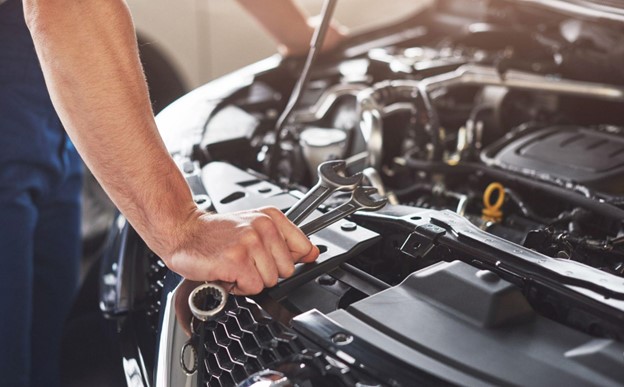
Your vehicle's engine relies on a steady oil flow to stay lubricated and cool. The oil pump tube plays a critical role by feeding oil from the pan to the pump. When this component begins to fail, serious engine damage can occur if the issue is not addressed early.
Oil pump tube problems are not always immediately noticeable. Ignoring early warning signs can lead to expensive repairs or complete engine failure. Replacing a damaged oil pump tube in time helps protect your engine and extend its lifespan.
Below are some of the most common signs that your oil pump tube may need replacement.
1. Sudden Drop in Oil Pressure
If your dashboard oil pressure warning light turns on or your oil pressure gauge suddenly drops, it should be investigated right away.
The oil pump tube directs oil to the pump. If the tube is cracked, clogged, or loose, oil circulation can be disrupted.
Low oil pressure may not cause immediate engine failure, but it allows metal components to rub together, increasing heat and wear.
2. Noisy Engine Operation
Unusual ticking or knocking sounds from the engine can indicate insufficient lubrication. When oil fails to reach critical components, friction increases and noise becomes noticeable.
If your oil level is normal but the engine sounds abnormal, the oil pump tube may be partially blocked or restricted.
3. Metal Shavings in the Oil
Inspecting used oil during routine oil changes can reveal early signs of trouble. The presence of metal shavings suggests internal engine components are wearing down.
A failing oil pump tube can limit oil delivery, causing gradual damage that worsens over time if not repaired.
4. Frequent Engine Overheating
Engine oil helps reduce friction and regulate temperature. If your vehicle overheats regularly under normal driving conditions, oil circulation issues may be the cause.
A blocked or damaged oil pump tube restricts oil flow, preventing the engine from releasing heat efficiently. This added stress shortens engine life.
5. Engine Warning Lights or Trouble Codes
Modern vehicles use sensors to monitor engine performance. When oil pressure or flow issues occur, warning lights or diagnostic trouble codes may appear.
An OBD-II scanner can be used to identify these codes. If oil-related codes are present, the oil pump tube should be inspected as part of the diagnosis.
Bonus Tip: Don’t Overlook Heater Supply Lines
In addition to the oil pump tube, other components such as heater supply lines deserve attention during inspections.
Heater supply lines carry engine coolant to the heater core, helping maintain cabin comfort in cold weather. Worn or damaged lines can leak and affect overall engine performance.
Early Detection Saves Your Engine
Identifying oil pump tube issues early can prevent serious engine damage. Warning signs like low oil pressure, strange noises, or overheating should never be ignored.
Regular inspections and timely repairs can save you from costly breakdowns. BH Tubes offers reliable, high-quality replacement oil pump tubes designed to keep oil flowing properly and protect your engine.


