

Why Inspect and Maintain Your Truck’s Heater Lines & Gas Tank Straps
- June 29, 2025
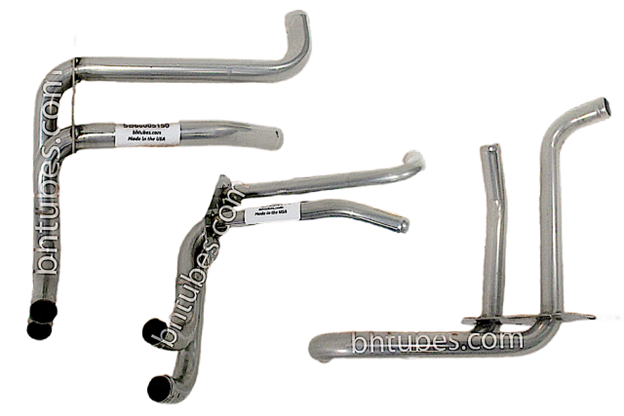
When it comes to truck maintenance, the spotlight usually lands on the big stuff—engines, brakes, and tires. But the smaller parts doing the quiet work often keep everything running smoothly. Two of those underrated components are heater supply lines and gas tank straps.
They may not look like much, but you're suddenly dealing with real problems if either fails. Whether you're managing a fleet or keeping your own rig in shape, here's what you need to know about keeping these parts in check.
Age, road grime, and heat damage to the coolant lines. Rubber ones can weaken and swell over time, while metal tubing can corrode without proper care. During regular inspections, look for signs like small cracks, residue at connection points, or bulging sections.
Make it a habit to check these parts during routine oil changes. If you notice anything soft, brittle, or discolored, it's time to swap them out.
The most common issue is corrosion. Moisture, salt, and debris collect around the straps, especially in older trucks or ones driven in all kinds of weather. Left unchecked, the metal thins out and weakens, putting the tank at risk.
● Rust or pitting around the mounting area Corrosion eats away at metal over time, weakening the hold and eventually leading to strap failure.
● A tank that seems to shift or sag Your straps may loosen or bend if the tank doesn't sit evenly.
● Fuel smells near the rear of the vehicle This could indicate a fuel line issue caused by shifting tank movement.
● Odd noises over bumps Clunking or rattling may signal that the straps are no longer securing the tank properly.
Catching problems early means a simple part replacement—much better than dealing with a compromised tank or full system failure.
That's where BH Tubes comes in. We offer rugged tubing and mounting components built for real-world use, backed by years of experience serving truck owners and fleets alike. From cab heating systems to tank hardware, our parts are made to last under pressure.
Are you looking for components that can handle long drives and harsh conditions? BH Tubes has what you need—tested, trusted, and built to keep you moving.
They may not look like much, but you're suddenly dealing with real problems if either fails. Whether you're managing a fleet or keeping your own rig in shape, here's what you need to know about keeping these parts in check.
The Role of Heater Lines
These lines circulate warm coolant from the engine into the heater core, keeping your cab warm and your engine from overheating. If a line cracks or starts to leak, the effects can show up fast, from lukewarm cabin temperatures to a serious drop in coolant pressure.Age, road grime, and heat damage to the coolant lines. Rubber ones can weaken and swell over time, while metal tubing can corrode without proper care. During regular inspections, look for signs like small cracks, residue at connection points, or bulging sections.
What Can Go Wrong?
Even a minor leak can mess with your system's performance. You might notice a heater output drop or risk engine overheating on longer hauls. Replacing lines early is much cheaper and safer than waiting for them to burst on the road.Make it a habit to check these parts during routine oil changes. If you notice anything soft, brittle, or discolored, it's time to swap them out.
Why Tank Straps Matter
Gas tank straps hold your fuel tank in place. They're simple, strong, and easy to overlook—until they're not. When these straps start to rust or loosen, the tank becomes unstable, risking damage to the fuel system or, worse, a leak on the road.The most common issue is corrosion. Moisture, salt, and debris collect around the straps, especially in older trucks or ones driven in all kinds of weather. Left unchecked, the metal thins out and weakens, putting the tank at risk.
Spotting Strap Trouble
Here's what to watch for when checking your gas tank straps:● Rust or pitting around the mounting area Corrosion eats away at metal over time, weakening the hold and eventually leading to strap failure.
● A tank that seems to shift or sag Your straps may loosen or bend if the tank doesn't sit evenly.
● Fuel smells near the rear of the vehicle This could indicate a fuel line issue caused by shifting tank movement.
● Odd noises over bumps Clunking or rattling may signal that the straps are no longer securing the tank properly.
Catching problems early means a simple part replacement—much better than dealing with a compromised tank or full system failure.
Keep Small Parts from Becoming Big Problems
Regular inspection and choosing quality replacement parts are the best way to stay ahead of these failures. It might not seem urgent—but anyone who's ever had a failed strap or coolant line mid-haul knows how quickly that can change.That's where BH Tubes comes in. We offer rugged tubing and mounting components built for real-world use, backed by years of experience serving truck owners and fleets alike. From cab heating systems to tank hardware, our parts are made to last under pressure.
Stronger Parts. Smoother Hauls.
Reliable parts don't just prevent breakdowns—they give you peace of mind mile after mile. When you invest in better Heater Supply Lines or replace those aging gas tank straps, your vehicle is safer, stronger, and road-ready.Are you looking for components that can handle long drives and harsh conditions? BH Tubes has what you need—tested, trusted, and built to keep you moving.

Share on Facebook

Share on X

Share on Pinterest
Recent Posts
