

Common Signs Your Power Steering Reservoir Needs Attention
- April 07, 2025
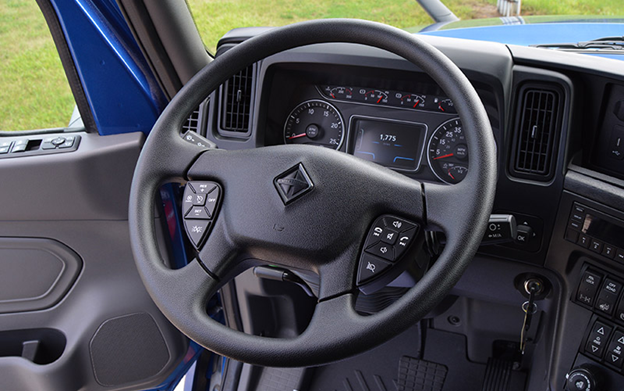
Driving can be uncomfortable and even dangerous when your power steering reservoir starts failing. If you notice unusual steering issues, don’t ignore them—your power steering reservoir might be trying to tell you something.
Let’s review the most common signs that your power steering reservoir needs attention and what you can do about it.
When the reservoir isn't functioning correctly, fluid levels may drop, leading to increased steering resistance. If turning the wheel feels like an arm workout, it’s time to check the reservoir.
● Wheel stiffness or jerky movements
● Delayed response when turning
When air gets trapped in the system due to a failing reservoir, it creates these odd noises. Ignoring them can lead to further damage to the entire power steering system
● Look for leaks under the truck
● Listen for noise changes when adding fluid
If fluid levels drop too low, your power steering system won’t function correctly, putting extra strain on other components.
● Oily residue around the power steering reservoir
● A burning smell from the engine area
A shaking or vibrating steering wheel—especially when idling or making slow turns—can indicate a problem with the power steering reservoir. Contaminated or degraded fluid can make it harder for the system to maintain proper pressure, leading to these unsettling vibrations.
● Inspect the reservoir for cracks or blockages
● Check for air bubbles in the fluid, which indicate trapped air in the system
● Low or contaminated power steering fluid
● Air in the system affecting hydraulic pressure
Stainless steel tubes are known for their durability and resistance to corrosion, making them an excellent option for fluid-carrying components in vehicles. A reliable stainless steel tube supplier ensures you get the best materials for long-term performance.
Regular maintenance and timely repairs can prevent costly damage and keep your vehicle safe. If in doubt, consult a mechanic to inspect your power steering reservoir and address any issues before they become significant problems.
BH Tubes offers high-quality power steering reservoirs designed for durability and smooth performance. With precision engineering and reliable materials, we ensure optimal fluid flow, reducing steering issues and maintenance concerns.
Let’s review the most common signs that your power steering reservoir needs attention and what you can do about it.
1. Difficulty in Steering
If your steering wheel suddenly feels heavier than usual, it could be due to a problem with your power steering reservoir. This component stores and supplies fluid to the power steering system, ensuring smooth and effortless control.When the reservoir isn't functioning correctly, fluid levels may drop, leading to increased steering resistance. If turning the wheel feels like an arm workout, it’s time to check the reservoir.
What to watch for:
● Steering requires extra effort, especially at low speeds● Wheel stiffness or jerky movements
● Delayed response when turning
2. Unusual Noises When Turning the Wheel
Your truck shouldn’t make noise when you steer. If you hear whining, squealing, or groaning while turning the wheel, your power steering reservoir might be low on fluid or contaminated.When air gets trapped in the system due to a failing reservoir, it creates these odd noises. Ignoring them can lead to further damage to the entire power steering system
Quick fix:
● Check the fluid level in the power steering reservoir● Look for leaks under the truck
● Listen for noise changes when adding fluid
3. Leaking Power Steering Fluid
A puddle under your truck is never a good sign, especially if it's red or brownish. Power steering fluid leaks often stem from cracks or worn-out seals in the power steering reservoir.If fluid levels drop too low, your power steering system won’t function correctly, putting extra strain on other components.
Signs of a leak:
● Low fluid levels despite regular refills● Oily residue around the power steering reservoir
● A burning smell from the engine area
4. Steering Wheel Vibrations
A shaking or vibrating steering wheel—especially when idling or making slow turns—can indicate a problem with the power steering reservoir. Contaminated or degraded fluid can make it harder for the system to maintain proper pressure, leading to these unsettling vibrations.
What you can do:
● Flush and replace old fluid● Inspect the reservoir for cracks or blockages
● Check for air bubbles in the fluid, which indicate trapped air in the system
5. Delayed Steering Response
Your steering should respond instantly. If there's a noticeable delay between turning the wheel and the truck reacting, your power steering reservoir might not deliver fluid efficiently. This lag can be dangerous, especially in tight driving situations or emergencies.Possible causes:
● Sludge buildup in the reservoir restricts fluid flow● Low or contaminated power steering fluid
● Air in the system affecting hydraulic pressure
An Additional Tip: Choosing the Right Materials for Vehicle Repairs
While addressing power steering issues, it is also important to use high-quality replacement parts and materials. If you’re working with tubing for automotive applications, consider sourcing from a stainless steel tube supplier.Stainless steel tubes are known for their durability and resistance to corrosion, making them an excellent option for fluid-carrying components in vehicles. A reliable stainless steel tube supplier ensures you get the best materials for long-term performance.
Final Thoughts
Your power steering reservoir is crucial in maintaining smooth and effortless steering. If you notice any of these warning signs, don’t wait until the problem worsens.Regular maintenance and timely repairs can prevent costly damage and keep your vehicle safe. If in doubt, consult a mechanic to inspect your power steering reservoir and address any issues before they become significant problems.
BH Tubes offers high-quality power steering reservoirs designed for durability and smooth performance. With precision engineering and reliable materials, we ensure optimal fluid flow, reducing steering issues and maintenance concerns.

Share on Facebook

Share on X

Share on Pinterest
Recent Posts
