
How to Identify Worn-Out Cooling System Hoses
- March 23, 2025
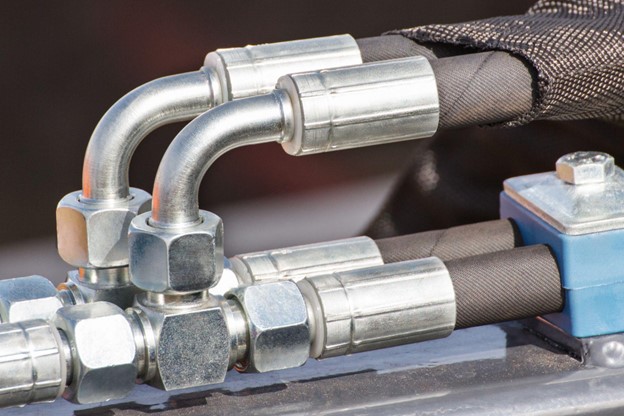
Your truck's cooling system is a core part of keeping your engine running smoothly. Its essential components are cooling system hoses, which transport coolant between the engine, radiator, and other cooling system parts. These hoses play a critical role in maintaining the optimal temperature for your engine, preventing overheating, and ensuring long-term performance. But like any other part of your vehicle, cooling system hoses don’t last forever.
In this blog post, we'll discuss how to spot the signs of wear and tear, when to replace old hoses, and why replacement is essential for safety and performance.
● Coolant contamination: Failed hoses can introduce debris into the coolant, affecting the performance of other cooling system parts like the water pump or radiator.
● Unexpected breakdowns: A damaged hose can fail without warning, leaving you stranded and potentially facing expensive towing or repairs.
● Fit: Ensure replacement hoses match your vehicle’s make and model. Using an improper size can lead to leaks.
● Material: Opt for high-quality rubber or silicone hoses, which resist heat and pressure more effectively than cheaper materials.
● Clamps and Accessories: Other essential cooling system parts, like clamps and connectors, should also be inspected and replaced if necessary.
Why Cooling System Hoses Matter
Every vehicle relies on a well-maintained cooling system to regulate engine temperatures. Coolant flows through the cooling system hoses, ensuring the engine operates within the ideal temperature range, especially during extreme weather conditions. If a hose becomes worn, cracked, or fails, it disrupts this flow, causing the engine to overheat. Overheating can result in warped engine components, costly repairs, and, worst of all, being stranded on the side of the road. Furthermore, if a hose fails, it often compromises other car parts, creating an expensive and time-consuming domino effect. Proactively inspecting and replacing worn cooling system hoses is one of the best ways to avoid such issues. But how do you know when it’s time to replace a hose? Here’s what to look for.Signs of Worn-Out Cooling System Hoses
Below are five signs you should watch out for during routine maintenance or a quick inspection:1. Cracks or Splits
Hoses wear down over time due to constant contact with heat, coolant, and pressure. Check the surface of the hoses for visible cracks, splits, or fraying. If you notice any damage, even small cracks, it’s likely time to replace the hose.2. Leaks
Coolant leaks are one of the clearest signs of a damaged hose. Inspect your cooling system hoses if you spot puddles of coolant under your car or notice a lower-than-usual coolant level in the reservoir. Leaks often occur near the clamps, where hoses connect to radiators or thermostats, but they can also develop along the length of the hose.3. Bulging or Swelling
Healthy hoses should have a uniform shape and consistency throughout. Bulging, swelling, or blister-like spots are clear indicators of weakening material. These abnormalities often develop due to high pressure, excessive heat, or exposure to oil, and they signal that the hose could fail at any moment.4. Soft or Spongy Texture
Firmness is a key characteristic of a functioning coolant hose. When hoses become soft, spongy, or mushy to the touch, it indicates overheating or chemical degradation. This weakens the structure of the hose, making it prone to rupture.5. Age
Even if your hoses appear in good condition, they only last for a limited time. Most manufacturers recommend replacing them every 4 to 6 years. If you’re unsure of your hoses’ age or have clocked significant mileage, it’s better to err on the side of caution and replace them proactively.Why Timely Replacement is Crucial
When it comes to cooling system hoses, timely replacement can make all the difference. Ignoring the signs of wear can lead to bigger problems, including: ● Overheating damage: A burst hose can cause the engine to overheat, resulting in extensive engine damage.● Coolant contamination: Failed hoses can introduce debris into the coolant, affecting the performance of other cooling system parts like the water pump or radiator.
● Unexpected breakdowns: A damaged hose can fail without warning, leaving you stranded and potentially facing expensive towing or repairs.
How to Choose the Right Replacement Cooling System Hoses
When it’s time to replace your cooling system hoses, choosing the right options is critical. Here are a few factors to consider:● Fit: Ensure replacement hoses match your vehicle’s make and model. Using an improper size can lead to leaks.
● Material: Opt for high-quality rubber or silicone hoses, which resist heat and pressure more effectively than cheaper materials.
● Clamps and Accessories: Other essential cooling system parts, like clamps and connectors, should also be inspected and replaced if necessary.
Purchase Premium Quality Premium Cooling System Hoses Today
Your truck’s performance and safety depend significantly on the health of its cooling system hoses and other cooling system parts. BH Tubes and Truck Parts is a trusted supplier of top-quality hoses, clamps, and other cooling system parts. We manufacture our products with the highest quality materials and cutting-edge technology to ensure durability, reliability, and performance. Browse our selection today and keep your vehicle running smoothly.
Share on Facebook

Share on X

Share on Pinterest
Recent Posts
